


Frequently Asked Questions
Tree care in Apopka spans routine pruning, complex removals, stump management, emergency response, and certified arborist diagnostics. This guide explains each service clearly for homeowners. Readers will learn how tree removal costs are calculated, when emergency crews should be called, what palm and oak trimming requires, and how permits affect removal decisions in Apopka. The guide focuses on practical decision-making for safety and value, describing common price drivers, steps to secure emergency assistance, seasonal trimming schedules, stump removal options, and how arborists diagnose disease. Homeowners will also find checklists for vetting providers, sample cost comparisons, and tables that break down job types into attributes and expected outcomes. By the end, you will understand the processes and choices that lead to safer, lower-cost outcomes and know the next steps to secure an estimate or an arborist consultation.
What Are the Typical Costs for Apopka Tree Removal Services?
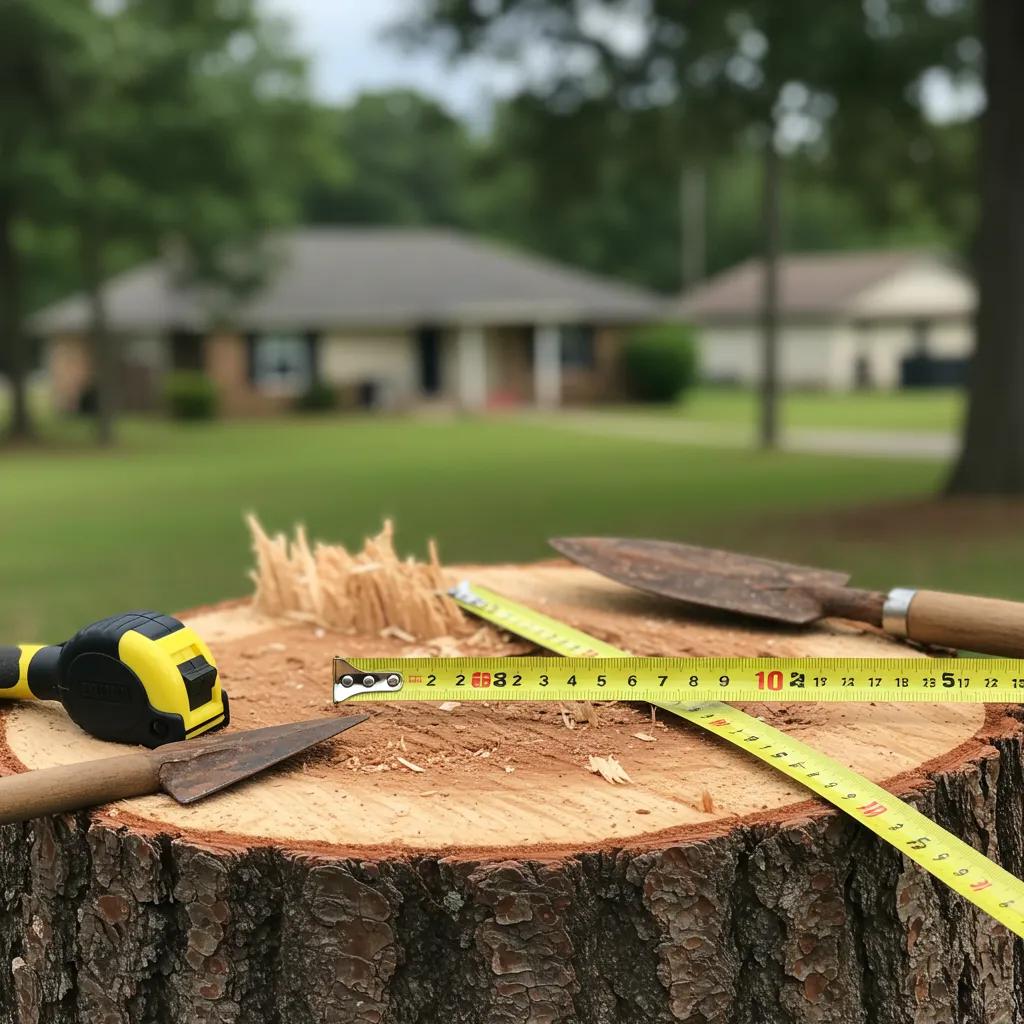
Typical tree removal costs in Apopka reflect tree size, location, health, access, and required disposal, which together determine labor, equipment, and permit needs. Larger diameter and taller trees increase rigging and time required; obstructed access raises the need for specialized equipment and crew labor; hazardous trees add mitigation steps that increase cost. Understanding these drivers helps homeowners evaluate quotes and compare like-for-like proposals from local providers. The next subsection explains the specific variables used to calculate a removal quote.
How Is Apopka Tree Removal Cost Calculated?
Cost calculation for tree removal uses measurable variables: tree diameter and height, site access, proximity to structures, tree health, required permits, and debris disposal volume. Contractors convert diameter and height into labor and equipment estimates, add hazard-mitigation premiums for diseased or split trees, and include disposal or chipping fees as line items. For example, a medium residential oak with clear access often costs significantly less than a similar tree that requires crane-assisted removal near a house. Understanding this breakdown lets homeowners request itemized quotes and compare estimates effectively.
Before exploring residential vs commercial pricing differences, consider the primary cost drivers listed below to help frame typical estimates.
- Tree size and height: Larger trees require more time, crew members, and equipment.
- Site accessibility: Narrow driveways and overhead wires increase complexity.
- Hazard level: Dead or storm-damaged trees require stabilization and risk premiums.
- Permits and disposal: Local permit fees and hauling or chipping affect final price.
This list clarifies the main contributors to cost and leads into how residential and commercial jobs differ in structure and pricing.
| Job Type | Cost Drivers | Typical Impact on Price |
|---|---|---|
| Small residential removal | Trunk diameter under 12″, easy access | Low; minimal equipment and 1-2 crew |
| Medium residential removal | 12″–24″ diameter, moderate access | Moderate; multi-person crew, chipper use |
| Large residential or hazardous removal | Over 24″ diameter, close to structures | High; rigging, possible crane, increased liability |
| Commercial or large-scale removal | Multiple trees, site coordination | Highest; permits, staging, traffic control |
This comparison table helps homeowners see how job type maps to price drivers and expected impacts.
After reviewing cost structure and examples, homeowners can apply saving strategies while maintaining safety and compliance.
What Are Average Prices for Residential vs. Commercial Tree Removal in Apopka?
Residential tree removal typically prices per-tree or per-diameter inch and focuses on single-tree logistics, whereas commercial jobs scale by volume and require coordination with municipal codes. Residential jobs usually have simpler permits and shorter mobilization, keeping per-tree costs lower, while commercial or multi-tree projects add staging, traffic control, and extended disposal logistics that increase total cost. Commercial pricing may include longer-term scheduling and phased work, which raises administrative and equipment overhead. Recognizing these distinctions helps property owners compare quotes and adjust expectations for multi-tree or commercial-sized projects.
Understanding the residential versus commercial differences naturally leads to questions about guarantees and pricing transparency.
Are There Price Match Guarantees for Tree Removal in Apopka?
A price match guarantee means a provider will match a competitor’s qualifying written estimate under specified conditions, typically excluding emergency work and specialized crane jobs, and requiring documentation for validation. Homeowners should ask for the exact conditions, what constitutes an equivalent service, and any required exclusions to ensure a fair comparison. Verifying inclusions such as disposal, stump grinding, permit fees, and insurance costs is essential when seeking a price match. Clear documentation and confirmed scope reduce disputes and provide a stronger basis for selecting a qualified provider.
Knowing guarantee mechanics suggests ways homeowners can safely lower costs while maintaining service quality, which is the focus of the next subsection.
How Can Homeowners Save on Tree Removal Costs in Apopka?
Homeowners can reduce costs by timing non-urgent removals outside peak storm seasons, bundling multiple services like trimming and stump grinding, preparing clear access for crews, and researching permit requirements in advance to avoid delays. Soliciting multiple itemized quotes and comparing identical scopes helps expose hidden fees, while combining jobs can earn volume discounts from contractors. Avoiding DIY removal for hazardous trees prevents injury and added property damage costs; professional crews manage risk and insurance liabilities. These cost-saving approaches lead naturally into practical next steps for choosing a qualified local provider and obtaining transparent estimates.
Before moving to emergencies, consider a concise action: for transparent pricing and a Price Match Guarantee, homeowners in Apopka can request a free estimate from local tree service providers.
How Does Emergency Tree Service Work in Apopka?
Emergency tree service addresses immediate threats to safety or property by deploying crews to stabilize hazards, remove dangerous trees, and clear access routes, using triage and safety-first protocols. The process begins with a rapid phone assessment, followed by on-site stabilization that prioritizes human safety and critical infrastructure protection, and concludes with removal and debris management. Fast response reduces subsequent property damage and mitigates liability concerns, which benefits homeowners filing insurance claims. The following subsection clarifies the indicators that qualify as emergencies and homeowner immediate actions.
When Should You Call for Emergency Tree Removal in Apopka?
Call for emergency removal when a tree blocks a driveway or road, leans dangerously toward a home or power line, has collapsed branches threatening occupants, or when root failure has made it unstable after storms. Homeowners should secure the area by keeping people and pets away, avoiding touching downed lines, and documenting the damage for insurers while waiting for professional crews. If utilities are involved, contacting utility companies before contractors is generally required to ensure safe isolation. These steps protect residents and preserve evidence needed for claims, leading into the benefits of 24/7 emergency availability.
What Are the Benefits of 24/7 Emergency Tree Service in Apopka?
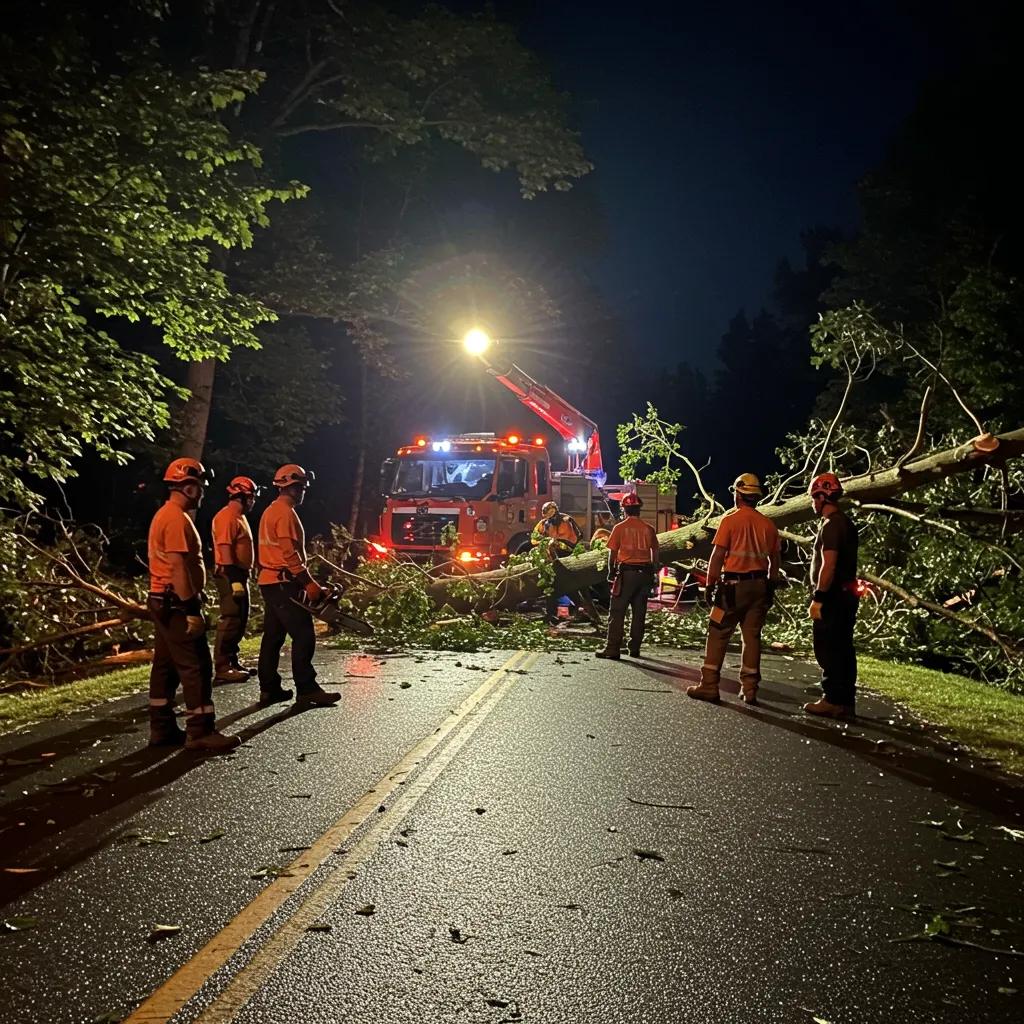
Twenty-four-hour emergency service reduces further structural damage by enabling immediate hazard removal, lowers fall-related liability, and expedites insurance documentation through quicker professional assessments. Rapid intervention also minimizes secondary issues such as water intrusion and pest entry that can arise after tree failure. Working with a crew that documents the scene and stabilizes risks supports faster insurance processing and reduces homeowner stress. Recognizing these advantages helps homeowners decide whether to engage emergency services immediately or monitor conditions until daylight, which ties directly to expected response times.
How Quickly Can Apopka Emergency Tree Services Respond?
Typical response windows range from within a few hours for local 24/7 crews to next-day for non-critical calls, with immediate arrival more likely for life-safety threats. Variables that affect timing include crew proximity, severity of the incident, road and weather conditions after storms, and resource allocation to multiple simultaneous emergencies. While waiting, homeowners should secure pets, photograph damage for claims, and avoid interacting with unstable trees to reduce risk. These interim steps reduce the chance of additional damage and create a clear handoff when crews arrive, which leads to guidance on verifying credentials of arriving teams.
Who Provides Licensed and Insured Emergency Tree Services in Apopka?
Licensed and insured emergency providers demonstrate their credentials through permits, proof of liability insurance, and worker coverage, which homeowners should request and verify before permitting on-site work when possible. Ask providers for license numbers, insurance certificates, and a description of crew safety protocols; reputable companies can supply these details and explain how they mitigate risk during emergency operations. Choosing a licensed and insured contractor protects homeowners from liability and ensures proper handling of permits and documentation. Notably, some local firms advertise 24/7 emergency availability and insured crews, providing added assurance in urgent situations.
For immediate help during an emergency situation in Apopka, local tree service providers note 24/7 emergency tree removal availability and licensed, insured crews as local response options to consider.
What Are the Key Apopka Tree Trimming and Palm Tree Care Services?
Key trimming and palm care services in Apopka include structural pruning, crown reduction, canopy thinning, palm grooming, and scheduled maintenance to improve health and minimize storm damage risks. Proper pruning follows accepted arboricultural standards to preserve tree architecture, promote air circulation, and reduce branch failure during storms. Palm tree care requires species-specific trimming practices to avoid over-pruning and to manage pests that target fronds and trunks. The next subsections explain palm-specific benefits, general pruning advantages, arborist techniques, and recommended seasonal timing for local species.
How Does Professional Palm Tree Trimming in Apopka Improve Tree Health?
Professional palm trimming removes dead fronds and flower stalks correctly to prevent pests and reduce ladder fuel for fires, while avoiding excessive skirt removal that stresses the palm. Qualified crews follow species-appropriate intervals and techniques to maintain the palm’s ability to photosynthesize and resist infestations such as palm weevils. Correct trimming improves aesthetics and reduces the weight of hanging fronds that can fall during storms, thereby protecting property and people. Regular, professional palm maintenance also offers opportunities for early pest detection and treatment, which leads into the broader benefits of scheduled trimming.
To compare trimming approaches across species, review the recommended service matrix below.
| Tree Type | Frequency | Best Season | Primary Benefit |
|---|---|---|---|
| Palm | Every 1–3 years depending on species | Late winter to early spring | Pest control and reduced storm debris |
| Oak | Every 3–5 years | Dormant season or late winter | Structural integrity and disease prevention |
| Pine | Every 2–4 years | Late winter | Deadwood removal and canopy thinning |
What Are the Benefits of Regular Tree Trimming and Pruning in Apopka?
Regular trimming improves tree health by removing deadwood and diseased branches, enhances safety by reducing branch-failure risk, and raises property value through better curb appeal. Pruning also promotes airflow and light penetration that mitigate fungal disease and encourage healthy growth patterns in long-lived species like oaks. Regular maintenance prepares trees for storm seasons and reduces the extent of emergency removals, lowering long-term care costs. These benefits make scheduled pruning a cost-effective preventive measure, which informs how certified arborists plan and execute trimming.
How Do Certified Arborists Perform Tree Trimming in Apopka?
Certified arborists begin with a detailed inspection and risk assessment, then develop a pruning plan that prioritizes structural balance, crown health, and target-crown reduction if needed. Execution follows industry pruning standards with correct branch-cut techniques, staged rigging for safety near structures, and thorough cleanup to remove debris and maintain site safety. After pruning, arborists provide follow-up recommendations for monitoring and any needed treatments to promote recovery. This structured process emphasizes safety and tree health, which connects to the seasonal scheduling guidance in the next subsection.
What Seasonal Tree Trimming Services Are Recommended in Apopka?
Seasonal trimming services align with species-specific growth cycles: palms often groomed in late winter, oaks best pruned in dormant periods to limit disease spread, and pines trimmed before spring growth to reduce sap loss. Storm-preparation pruning ahead of hurricane season reduces limb sail and mitigates wind damage, while post-storm cleanup addresses damaged material and reduces pest attraction. Avoid major pruning during wet seasons to limit pathogen spread, and schedule routine checks after severe weather. These seasonal recommendations guide homeowners in planning maintenance that protects trees and property year-round.
How Is Stump Grinding and Removal Handled in Apopka, FL?
Stump management in Apopka includes grinding the stump below grade or full stump and root removal for regrading, with choices driven by future site use, cost, and disruption tolerance. Grinding uses rotating cutting wheels to pulverize wood into mulch, minimizing excavation, while full removal requires excavation and possibly truck-out of root balls for complete clearance. Professional crews assess root spread, proximity to structures, and underground utilities before recommending an approach to avoid damage and ensure safety. The following subsections explain the importance, equipment, timelines, and long-term effects of stump treatments.
Why Is Professional Stump Grinding Important for Apopka Properties?
Professional stump grinding eliminates trip hazards, removes pest-attracting wood, and prevents re-sprouting that can produce unsightly shoots and invasive suckers on many species. Grinding provides immediate visual improvement and creates usable mulch for the landscape, while professional operators protect nearby plantings and hardscapes during the process. Attempting to remove stumps without proper equipment risks underground utility damage and incomplete root removal that leads to regrowth. Recognizing these benefits clarifies why professional stump work is often a cost-effective investment for yard restoration.
What Equipment Is Used for Stump Grinding in Apopka?
Stump grinding uses equipment ranging from small portable grinders for tight yards to heavy ride-on grinders for large or deep root systems, with excavators or trucks used when full root-ball extraction is required. Safety gear and chip-containment measures are standard, and machines are chosen based on stump diameter, root depth, and accessibility. Operators match grinder capacity to stump conditions to optimize time and reduce damage to surrounding surfaces. Knowing equipment options helps homeowners understand why quotes vary and what to expect during removal.
How Long Does Stump Removal Take in Apopka?
Small stumps with minimal root systems can be ground in under an hour, while large stumps or those in restricted access areas may require several hours to half a day, including setup and cleanup. Full root-ball excavation requires heavier equipment and additional time for soil restoration and hauling, which extends the project timeline. Weather and site access can increase durations, so scheduling considers these variables to minimize neighborhood disruption. These time estimates inform planning for landscape replanting or hardscape installation after stump removal.
Can Stump Grinding Prevent Future Tree Problems in Apopka?
Stump grinding prevents re-sprouting and reduces habitat for wood-boring pests that could spread to nearby trees, but it does not substitute for proper site preparation if long-term planting or construction is planned. Ground-level pulp remains can be tilled and incorporated into soil, but some situations require chemical treatment or full removal to prevent perennial regrowth. When planning new plantings or structures, homeowners should coordinate with their contractor to ensure root debris management aligns with future landscape or construction goals. This understanding supports choosing the right removal option for property needs.
| Removal Option | Attribute | Expected Outcome |
|---|---|---|
| Grinding only | Time-efficient, minimal excavation | Quick site restoration, possible mulch reuse |
| Full removal | Excavation and hauling of root ball | Complete clearance for construction, no regrowth |
| Chemical treatment addition | Applied to root system | Reduced resprouting over time, requires monitoring |
What Arborist Services Are Available in Apopka for Tree Health and Safety?
Arborist services in Apopka include health inspections, disease and pest diagnosis, cabling and bracing, root and soil treatments, hazard assessments, and pruning plans tailored to species and property needs. Certified arborists follow diagnostic protocols that combine visual assessment with soil and pest testing when necessary to produce a remediation plan. These services protect tree health, mitigate risk to structures, and provide documentation useful for insurance or property transactions. The next subsections describe diagnostic methods, common diseases and treatments, consultation benefits, and how to verify arborist credentials.
How Do Certified Arborists Diagnose Tree Health Issues in Apopka?
Arborists diagnose issues through a stepwise process: visual crown and trunk inspection, bark and root examination, soil moisture and compaction checks, and targeted tests for pests or pathogens as indicated. They interpret growth patterns, leaf symptoms, and wound responses to distinguish abiotic stress from infectious disease and recommend laboratory testing when symptoms are ambiguous. Diagnosis leads to a treatment plan that may include pruning, targeted pesticides or fungicides, fertilization, or soil amendment and monitoring. This diagnostic pathway ensures treatments address root causes rather than symptoms, which leads to better long-term outcomes.
What Tree Diseases Are Common in Apopka and How Are They Treated?
Common issues include fungal cankers, root rot in poorly drained soils, and insect infestations that manifest as dieback or defoliation; treatment options range from pruning infected limbs to soil aeration and targeted biological or chemical controls. Early detection is critical, because treatments are most effective before structural integrity is compromised; severe cases may require removal to protect surrounding trees and property. Arboreal pest and disease management often combines cultural controls with professional interventions and monitoring to prevent recurrence. Knowing these treatment pathways helps homeowners recognize when to contact an arborist.
How Can Arborist Consultations Improve Property Safety in Apopka?
Arborist consultations identify structural weaknesses, recommend mitigation such as cabling or selective pruning, and provide documentation of risk assessments that support insurance claims and property assessments. Implementing arborist-recommended measures reduces the likelihood of storm-related limb failures and improves the predictability of tree behavior around homes and utilities. Consultations also prioritize interventions that extend the life of valuable specimen trees while addressing public safety concerns. This risk-focused perspective helps homeowners balance preservation and protection in their landscape management.
What Are the Credentials of Apopka Arborists?
Homeowners should look for certified arborists, proof of liability insurance, and clear safety protocols when choosing a provider; these credentials demonstrate technical skill and risk management capabilities. Local tree service providers note experienced and certified arborists, fully licensed and insured crews, and a 100 percent Satisfaction Guaranteed policy, which can serve as trust signals during vendor selection. Ask any provider to present credential documentation and certification numbers, and request a written scope and safety plan for higher-risk jobs. Verifying these items ensures the selected arborist can perform work safely and to industry standards.
What Permits and Regulations Affect Tree Removal in Apopka, FL?
Permits for tree removal in Apopka and Orange County depend on tree size, protected species status, and the tree’s location relative to public right-of-way or sensitive areas; knowing these triggers avoids fines and restoration orders. The regulatory process typically requires an application with a site plan, species identification, and justification for removal when protection thresholds are met. Contractors often assist homeowners by preparing permit paperwork and coordinating inspections to speed approval. The following subsections provide direct guidance on permit necessity, application steps, penalties, and how professionals ensure compliance.
Do You Need a Permit to Remove Trees in Apopka?
You need a permit when removing trees that meet local size thresholds, are classified as protected species, or are located within regulated buffers or rights-of-way; exemptions usually apply for emergency removals threatening life or property with later notifications. Determining applicability requires checking species and size against municipal rules and consulting local planning guidance or county ordinances. When in doubt, request a professional assessment to determine if a permit is required before proceeding. Understanding these conditions helps homeowners avoid regulatory violations and guides the next steps in the application process.
How to Apply for Tree Removal Permits in Apopka and Orange County?
Apply for permits through the local planning or permitting office with required documentation such as a site plan, tree inventory, photos, and justification for removal; include proposed mitigation such as replacement plantings if required. Typical review times vary but preparing a complete application and using a contractor experienced in local processes can reduce back-and-forth and accelerate approval. Contractors often submit forms on behalf of homeowners while coordinating necessary inspections or arborist reports. Following these steps simplifies compliance and keeps projects moving.
What Are the Penalties for Illegal Tree Removal in Apopka?
Penalties for illegal removal can include fines, restoration orders such as replacement plantings, and potential civil or administrative actions requiring remediation, which can be costly and time-consuming for homeowners. Avoiding violations requires confirming permit needs, obtaining approvals when required, and documenting compliance steps. If a tree of protected status is removed without authorization, the homeowner may face higher penalties and mandated replacement ratios. Awareness of these consequences reinforces the importance of working with compliant contractors.
How Do Local Tree Service Providers Ensure Permit Compliance?
Licensed providers manage permit compliance by preparing application materials, coordinating with local authorities, and documenting work with photos and inspection reports that align with municipal requirements. Hiring a contractor that explicitly states permit support reduces homeowner administrative burden and mitigates the risk of inadvertent violations. Professional documentation also assists with insurance claims and resale disclosures by establishing a clear work history. Confirming a provider’s willingness to handle permits is a key vetting step before hiring.
- Contractors that manage permits reduce homeowner burden and risk.
- Documentation of compliance supports insurance and resale needs.
- Verify a provider’s permit-handling process before signing a contract.
These checklist items guide homeowners toward compliant, well-documented tree work and lead into evaluating providers generally.
How Can Apopka Residents Choose the Best Local Tree Service Company?
Choosing the best local tree service requires evaluating licensing and insurance, certified arborist credentials, transparent, itemized pricing, warranties or satisfaction guarantees, and local references that demonstrate relevant experience. Homeowners should verify insurance certificates, request detailed written estimates, and compare scopes to avoid low-ball bids that omit critical safety steps. Asking for local project references and before-and-after photos helps validate a contractor’s claims and workmanship. The next subsections break down the firm-specific reasons to consider a local company, how to interpret testimonials, verification steps, and benefits of a Price Match Guarantee.
What Makes Local Tree Service Providers the Top Choice in Apopka?
Local tree service providers promote several explicit value propositions that homeowners should consider: a Price Match Guarantee, 100 percent Satisfaction Guaranteed, fully licensed and insured crews, experienced and certified arborists, 24/7 emergency tree removal, and a one-stop-shop approach for tree service needs. These attributes address common homeowner concerns about pricing transparency, safety, and responsiveness in urgent situations. When vetting contractors, asking how these guarantees are documented and what limitations apply will clarify the true value being offered. Evaluating these points helps homeowners decide whether a provider’s claims align with their project requirements.
How Do Customer Testimonials Reflect Apopka Service Quality?
Evaluating testimonials involves checking for details on the job type, timeliness, communication, cleanup, and whether the contractor resolved issues that arose during the project; specific references to similar Apopka jobs provide stronger evidence than generic praise. Requesting local references and before-and-after photos helps validate reviews, while cross-checking for recent projects gives a sense of current performance. Testimonials that mention permit handling and insurance communication are particularly valuable for complex removals. These review-vetting practices guide homeowners to reliable providers and segue into a checklist of verification steps.
What Should You Look for in Licensed and Insured Tree Service Providers?
Verify that a provider carries general liability and worker’s compensation insurance, ask for license numbers or certification details, inquire about equipment and safety protocols, and request a written scope of work with cleanup and disposal terms. Confirming insurance limits and expiration dates protects homeowners from liability for on-site accidents, and checking certifications ensures the crew has technical competency for complex jobs. Sample questions to ask include inquiries about permit handling, emergency response availability, and warranty terms for workmanship. This verification checklist helps homeowners reduce hiring risk and leads into how price guarantees can be used effectively.
How Does the Price Match Guarantee Benefit Apopka Customers?
A Price Match Guarantee reduces the need for extended price-shopping by committing a provider to match qualifying written competitor estimates, which can speed decision-making and build buyer confidence when scopes are equivalent. Homeowners should confirm what documentation is required, which services are excluded (such as crane work or emergency responses), and how differences in scope are reconciled. Using a price match as one variable among credentials, insurance, and reviews ensures homeowners do not sacrifice safety for cost. Understanding these limitations encourages informed use of price-match offers when selecting a contractor.
What Are Common FAQs About Apopka Tree Services?
This FAQ section provides concise answers to frequent homeowner questions to support quick decision-making about tree care, costs, emergencies, and provider selection. The answers below deliver direct guidance and reference earlier sections for deeper exploration.
How Much Does Tree Removal Cost in Apopka?
Typical residential tree removal in Apopka ranges widely based on size, access, and hazard level, with small trees costing substantially less than large or hazardous trees; homeowners should expect contractors to price by diameter, height, access complexity, and disposal needs. Key cost factors include required permits, crane or rigging needs, and whether stump grinding is included. Requesting itemized quotes and comparing identical scopes will help identify fair pricing. For the most transparent pricing, consider providers offering free estimates and price-match policies.
Who Offers Emergency Tree Removal in Apopka?
Emergency tree removal is offered by local 24/7 providers and crews that advertise rapid response, stabilization capability, and licensed, insured operation; verification should include checking insurance certificates and asking about response-time windows. In immediate danger situations, prioritize human safety, document damage, and alert utilities if lines are involved before permitting contractors to work near energized equipment. Keep contact details for local emergency-capable providers handy for urgent scenarios. Selecting a provider with documented emergency procedures improves outcomes.
What Are Signs of Tree Decay in Apopka, Florida?
Visible signs of decay include large dead branches, cavities or hollowing in trunks, fungal conks at the base, root collar decay, and progressive canopy thinning; these symptoms warrant professional arborist evaluation. Early detection through routine inspections allows targeted interventions such as pruning, soil remediation, or treatment before structural failure occurs. Documenting progression with photos and dates helps arborists diagnose and recommend appropriate treatment or removal. Timely action based on these signs reduces the potential for sudden failure.
How to Find Reliable Tree Removal Services in Apopka?
To find reliable services, verify insurance and licenses, request itemized written estimates, ask for local references or before-and-after photos, confirm permit handling capabilities, and compare warranty or guarantee terms. Cross-check recent project dates to confirm current performance and ask specific questions about safety protocols and equipment used for complex removals. Avoid providers that refuse to provide documentation or that only offer verbal scopes and ensure the contract outlines cleanup and disposal responsibilities. These vetting steps help homeowners secure trustworthy, competent crews.
What Are the Benefits of Professional Tree Trimming for Apopka Homeowners?
Professional trimming enhances structural integrity, reduces limb-failure risk during storms, improves tree health by removing diseased or crowded branches, and boosts curb appeal and property value. Regular pruning reduces long-term maintenance costs by preventing emergency removals and enables early detection of pests or disease. Over time, well-executed trimming sustains landscape aesthetics and functional safety for family members and utilities. For a professional assessment or to schedule preventive trimming, homeowners can request an arborist consultation.
For homeowners ready to schedule an inspection, local tree service providers provide free estimates and emphasize licensed, insured crews, certified arborists, a Price Match Guarantee, 24/7 emergency availability, and a 100 percent Satisfaction Guaranteed policy; contact via their published phone number to request a consultation or estimate and confirm credential documentation for your Apopka property.