


Optimized H2 Heading: Tree Care Services
Windermere homeowners and property managers need clear, practical guidance when addressing tree care, removal, and emergency response. This article explains professional Windermere tree service concepts, from routine trimming and arborist diagnostics to storm cleanup and permit navigation, so readers understand what to expect and how to act. The focus is on local tree care principles—safety, species-specific pruning for oaks and palms, land clearing, stump grinding, and criteria for emergency removal—while also mapping the homeowner’s next steps when hiring a crew. Readers will learn what services are available, how costs are determined, when a permit or HOA approval is required, how certified arborists assess tree health, and how to schedule a site visit with an experienced provider. Practical checklists, cost comparison tables, and step-by-step permit and scheduling workflows are included to help Windermere residents make informed decisions about tree service activities. Throughout, target topics like tree service Windermere, tree removal Windermere, Windermere arborist consultation, and emergency tree removal Windermere are integrated naturally to support local relevance.
What Tree Services Does a Windermere Tree Service Company Provide?
A Windermere tree service company offers a range of services that protect property safety and enhance long-term landscape value by combining arboricultural knowledge with specialized equipment. Typical offerings include hazardous and routine tree removal, crown thinning and structural pruning, arborist health assessments, 24/7 emergency tree removal, professional stump grinding, and property-scale land clearing for redevelopment or landscaping projects. Each service addresses a specific risk or maintenance objective—removal eliminates failure risk, trimming improves structure and health, and stump grinding restores usable ground—so homeowners can choose interventions that match their goals. Understanding these service categories helps property owners prioritize work and prepare for contractor consultations and required documentation. Below are the main service categories provided locally and what each accomplishes.
Which Tree Removal Services Are Available in Windermere?
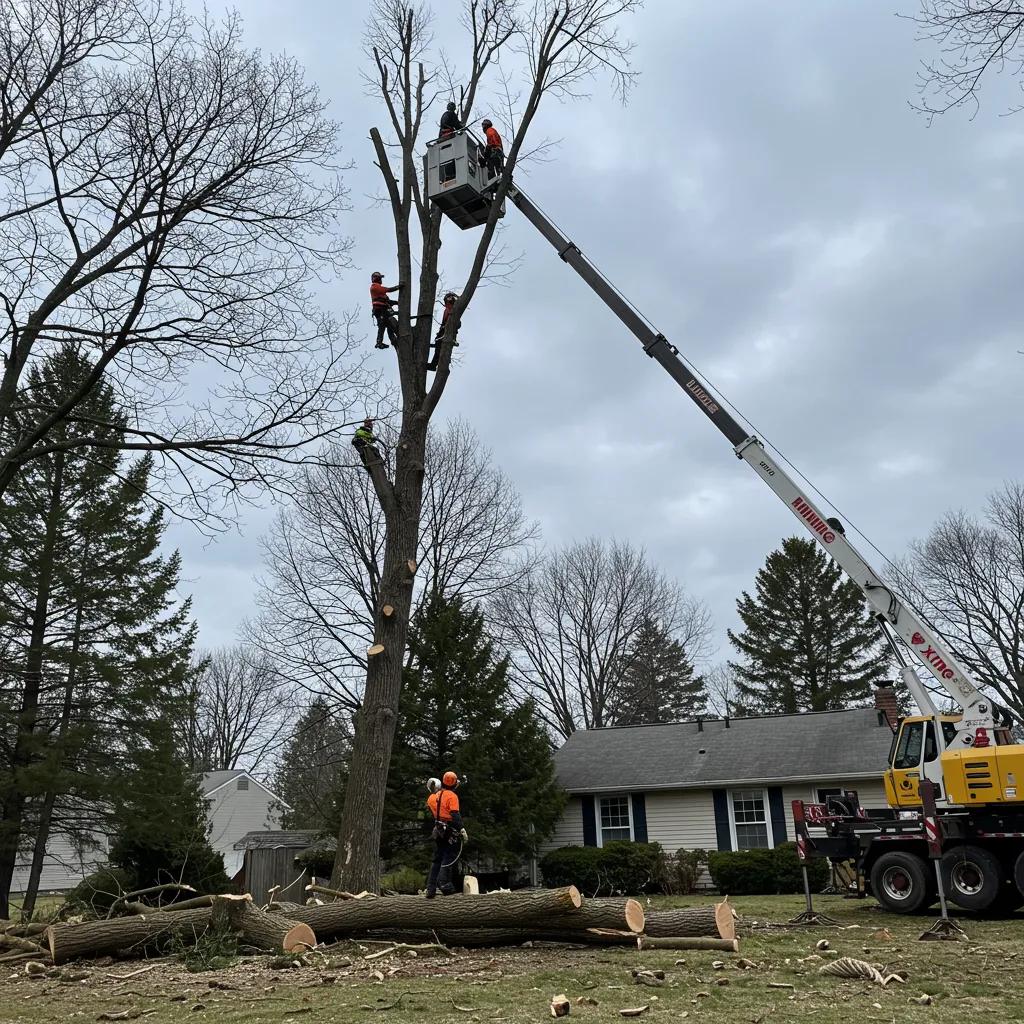
Tree removal services in Windermere range from routine take-downs of small landscape trees to complex crane-assisted extractions of large, hazardous specimens that threaten structures or utilities. Contractors perform hazardous tree removal for leaning or decayed trunks, storm-damaged tree removal following severe weather, dead tree removal to eliminate pests and spread of disease, and lot or timber clearing for construction and development. Specialized equipment such as cranes, bobcats, and aerial lifts is used when trees are adjacent to houses, power lines, or tight access points, and crews coordinate debris removal to reduce secondary property damage. Safety protocols, rigging plans, and debris disposal options are core considerations that determine the scope and complexity of each removal task. Understanding when specialized equipment is needed sets expectations for pricing, timeline, and site restoration.
How Does Professional Tree Trimming Improve Tree Health in Windermere?
Professional tree trimming in Windermere targets structural integrity, disease resistance, and safe clearance by selectively removing branches to improve sunlight penetration and airflow through the crown. Pruning objectives include crown thinning to reduce wind resistance, structural pruning to correct weak unions, and palm trimming focused on removing hazardous fronds and reducing pest habitat; timing and technique vary by species, especially for oaks and palms common locally. Certified arborists use diagnostic assessment to determine pruning cuts that promote compartmentalization of decay and long-term health, and they follow industry best practices to avoid topping or over-pruning. Regular maintenance cycles prevent large corrective jobs later and reduce the likelihood of emergency removals. Recognizing the right pruning schedule leads directly to when an arborist consultation is recommended for species-specific guidance.
What Arborist Services Are Offered by Windermere Tree Experts?
Arborist services center on professional evaluation and treatment planning: a certified arborist inspects trunk integrity, root conditions, crown health, and pest/disease indicators to create a diagnostic-based action plan. These services include tree health assessments, risk evaluations with documented findings, recommendations for targeted treatments such as injections or cabling, and long-term maintenance plans that balance safety with ecological value. Diagnostic tools may include decay detection, resistograph readings, and visual decay mapping, allowing arborists to prioritize interventions and recommend monitoring schedules. An arborist’s report helps homeowners decide between treatment, mitigation, or removal and serves as documentation for permits or insurance claims. Clear diagnostic outcomes also inform the next steps for treatment and potential follow-up services.
When Is Emergency Tree Removal Needed in Windermere?
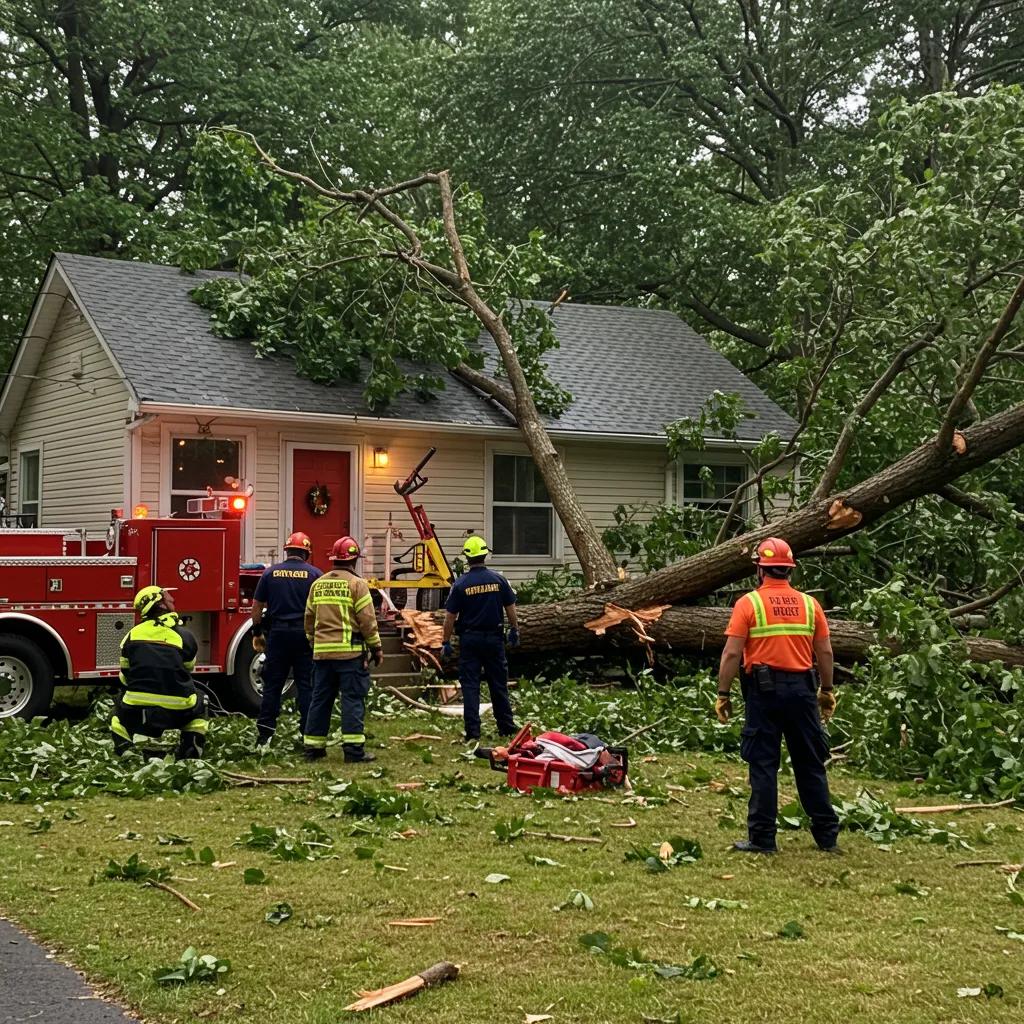
Emergency tree removal is required when a tree poses an immediate safety hazard to people, buildings, vehicles, or critical infrastructure, such as when a large limb has fallen on a roof or a tree is split and leaning toward occupied spaces. Decision criteria include visible trunk splitting, root plate upheaval, major crown failure, or limbs resting on structures or power lines; these conditions demand rapid assessment and often immediate stabilization or removal. Homeowners should secure the area, keep occupants away from unstable zones, and arrange professional triage to reduce further damage and liability. Emergency providers triage hazards, stabilize or remove high-risk components, and coordinate with homeowners on temporary protections and full cleanup plans. Understanding these criteria clarifies when to call a 24/7 emergency response rather than scheduling routine services.
How Does Stump Grinding and Land Clearing Work in Windermere?
Stump grinding removes the visible portion of a stump and grinds below grade to facilitate replanting or landscaping, while land clearing scales that process to remove trees, stumps, brush, and roots for development or renovation. Stump grinding uses specialized grinders to achieve targeted depths, producing mulch that can be recycled on-site or hauled away, and operators discuss depth targets and site restoration during estimates. Land clearing projects follow phased work: hazard removal, selective tree felling or clear-cutting as permitted, stump grinding or removal, and final grading and debris disposal. Professional crews coordinate soil preservation, erosion control, and recycling options to minimize environmental impact and prepare the site for its next use. After understanding equipment and phases, homeowners can consider necessary permits and erosion controls before starting work.
How Much Does Tree Removal and Trimming Cost in Windermere, FL?
Costs for tree removal and trimming in Windermere depend on multiple variables that influence labor, equipment, and disposal needs; a concise range is that small jobs may run a few hundred dollars while large, complex removals can reach several thousand, with trimming priced differently by scope. Key cost drivers include tree size and diameter, species and wood density, proximity to structures and utilities, accessibility of the site, required equipment (crane, bobcat, aerial lift), inclusion of stump grinding, and permit or disposal fees. Transparent pricing requires on-site evaluation to understand hidden access issues and required safety measures, so homeowners should seek written estimates that itemize tasks and inclusions. Below is a quick comparison of typical job types and the attributes that affect their pricing to help owners anticipate budget ranges.
| Job Type | Typical Price Range | Primary Factors |
|---|---|---|
| Small tree removal (yard tree) | $250 – $800 | Height, proximity to structures, accessibility |
| Medium tree removal (40–60 ft) | $800 – $2,000 | Diameter, equipment needed, crew size |
| Large tree removal (60+ ft or hazardous) | $2,000 – $6,000+ | Crane requirement, confined access, structural concerns |
| Stump grinding (per stump) | $150 – $600 | Stump diameter, depth, access, disposal |
This table clarifies how size, access, and equipment combine to determine cost and why on-site quotes are essential for accuracy.
What Factors Influence Tree Removal Costs in Windermere?
Removal cost factors reflect both physical attributes of the tree and logistical constraints that affect crew time and equipment allocation, with species and condition influencing difficulty. Tree height and trunk diameter correlate to labor and rigging complexity, while proximity to structures and overhead lines increases safety requirements and may necessitate cranes or additional rigging. Accessibility for trucks and grinders affects whether specialized machinery such as a bobcat or extended-reach equipment is needed, and disposal choices—chipping on-site versus hauling—alter the final invoice. Seasonal demand and permitting timeframes can also affect timelines and costs, so homeowners should account for these variables when comparing bids and planning work.
- Major cost drivers include height, trunk diameter, proximity to structures, required equipment, accessibility, stump grinding inclusion, and permit/disposal fees.
- Choose bids that itemize these factors to ensure scope alignment and avoid change orders.
- Ask for written estimates that list what is included—cleanup, chip removal, and permits—before signing a contract.
Understanding how each factor translates into cost prepares homeowners to evaluate competing estimates and ensures scope-for-scope comparisons.
How Are Tree Trimming Prices Determined in Windermere?
Tree trimming pricing usually follows models such as per-tree, hourly rates, or maintenance contract pricing depending on the provider and the complexity of the work. Small maintenance trims may be quoted per tree or by the hour, while structural pruning or restoration often receives a per-tree price reflecting required climbing time and safety gear; maintenance schedules can be contracted annually for predictable budgeting. Add-ons such as chipping, branch hauling, or wood splitting are typically quoted separately and should be confirmed in writing to prevent scope creep. Seasonal demand, urgency of the work, and species-specific pruning requirements (for example, live oak pruning considerations) influence both scheduling and pricing. Knowing common pricing structures helps homeowners select the model that best fits their needs and budget.
Are Free Quotes and Price Match Guarantees Available?
Many reputable providers in the area offer free, no-obligation on-site quotes to accurately assess scope and safety needs, which helps homeowners compare apples-to-apples proposals before committing to work. A Price Match Guarantee is often used as a trust signal to show commitment to competitive pricing, but homeowners should verify that estimates match in scope, insurance coverage, and included services. Request written estimates that explicitly state inclusions—cleanup, stump grinding, permits—and ask providers to confirm any guarantees in writing before work begins. Volusia Bobcat & Tree Service offers free quotes and promotes a Price Match Guarantee to ensure transparent pricing and fair competition for Windermere customers.
What Are the Local Regulations and Permit Requirements for Tree Removal in Windermere?
Permitting requirements in Windermere and Orange County vary by tree species, size, location relative to protected habitats, and waterfront or conservation zone status; a simple rule is that larger or protected trees often trigger permit needs, while small landscape removals may not. Homeowners should verify whether the tree is a protected species, exceeds local diameter thresholds, or stands within regulated setbacks—these conditions commonly require municipal or county approvals and supporting documentation. HOA covenants can impose additional restrictions and approval processes that exist alongside municipal rules, so coordination between permits and HOA approvals is essential. Below is a concise checklist-style EAV table summarizing typical permit triggers and required documentation to help residents determine likely next steps.
| Permit Scenario | When Required | Typical Documentation |
|---|---|---|
| Protected species removal | Yes, regardless of size | Species ID, removal justification, mitigation plan |
| Large-diameter tree removal | Yes when over local diameter threshold | Site plan, arborist report, photos |
| Waterfront or conservation zone | Often required | Environmental assessment, erosion control plan |
When Is a Tree Removal Permit Required in Windermere?
A permit is typically required when a tree is a protected species, exceeds local size thresholds, lies within conservation or waterfront buffers, or when the proposed work affects a significant canopy footprint. Determining permit necessity starts with identification—knowing the species and measuring trunk diameter—and ascends to site context: protected habitat, proximity to wetlands, or involvement in development plans. Homeowners should consult official municipal or county resources to confirm current thresholds and submission processes, and they should document tree conditions with photos and an arborist’s assessment to support any application. Accurate identification and documentation reduce delays and clarify whether mitigation or replacement tree plans are necessary.
How Can Homeowners Navigate HOA Tree Service Compliance?
HOA compliance starts by reviewing governing documents for tree removal or trimming language, identifying required forms and approval timelines, and understanding any design standards or replacement requirements the HOA enforces. Homeowners should submit a scope of work, include photos and an arborist report when appropriate, and request written approvals that detail any conditions for work, such as approved hours or contractor insurance requirements. Coordinating contractor-provided documentation—proof of insurance, licenses, and scope-of-work descriptions—streamlines HOA review and reduces the chance of post-work disputes. Having HOA approvals in hand before work begins prevents enforcement actions and supports timely scheduling with the chosen service provider.
How Does Volusia Bobcat & Tree Service Assist with Permits and Compliance?
Professional tree companies commonly offer permit assistance as part of their consultation services, helping homeowners identify whether municipal or HOA approvals are required and advising on documentation preparation. Volusia Bobcat & Tree Service assists homeowners with permit consultation and documentation support to help navigate Windermere and Orange County requirements, offering practical guidance during the estimate and permitting stage. This assistance typically includes preparing or reviewing scope descriptions, coordinating with homeowners on required photographs or arborist notes, and advising on submission steps without substituting for official municipal determinations. When permit questions arise, professional support shortens the process and clarifies what documentation will satisfy authorities and HOAs.
Why Choose Volusia Bobcat & Tree Service as Your Windermere Tree Service Company?
Choosing a contractor hinges on trust signals, clear service commitments, and evidence of capability; Volusia Bobcat & Tree Service highlights several explicit UVPs that address these homeowner priorities. Their stated commitments include a Price Match Guarantee, 100 percent Satisfaction Guaranteed, Fully Licensed and Insured operations, 24/7 Emergency Tree Removal, Certified Arborists on staff, State-of-the-Art Equipment, and Free Quotes—each designed to reduce homeowner risk and streamline decision-making. Understanding the practical benefits of those claims helps homeowners weigh value: licensing and insurance protect against liability, certified arborists provide evidence-based treatment plans, and emergency availability reduces further property damage after storms. After evaluating benefits, homeowners should request a written estimate that details guarantees and included services to confirm alignment.
What Are the Benefits of Hiring Licensed and Insured Tree Professionals?
Hiring licensed and insured professionals reduces homeowner liability by shifting risk for onsite accidents and property damage to the contractor’s coverage rather than to the homeowner. Licensed crews are more likely to adhere to safety standards and industry practices, and insurance provides financial protection for third-party injuries or accidental damage arising from the job. Homeowners should request proof of insurance and licensing details in writing and verify that the policy covers the specific scope of work and any specialty equipment used. Ensuring these protections protects assets and simplifies insurance claims should damage occur; confirming documentation is a simple step that prevents major downstream issues.
How Do Certified Arborists Enhance Tree Care in Windermere?
Certified arborists bring scientific diagnostics and standardized treatments—such as targeted injections, structural pruning, cabling, and documented risk assessments—that improve tree health outcomes and prolong canopy value. Their training enables accurate disease identification, appropriate treatment selection, and long-term maintenance planning that balances ecology and safety. Arborists deliver structured reports that homeowners can use for permit applications or insurance claims, and their expertise reduces unnecessary removals by offering mitigation or treatment alternatives when feasible. Coupling certified arborist insight with professional crews ensures interventions protect both people and the landscape value of mature specimens.
What Makes 24/7 Emergency Tree Removal Reliable and Fast?
Reliable 24/7 emergency services rely on triage protocols, ready access to specialized equipment, and crews trained to stabilize hazards quickly while minimizing additional damage. Emergency workflows prioritize first securing life and property—removing limbs posing immediate risk, stabilizing leaning trees, and creating safe access for full removal—followed by debris clearing and coordination for permanent repairs. Providers with round-the-clock availability typically maintain call-routing procedures and on-call crews who assess risk and provide scope estimates before full mobilization. Clear communication during emergency response sets homeowner expectations for next steps, required permits, and the transition from triage to full cleanup.
How Does the Price Match Guarantee Work for Windermere Customers?
A Price Match Guarantee signals that a provider is willing to compete on transparent pricing when scopes align, but homeowners should verify that estimates match in scope, insurance coverage, and included services. Homeowners should obtain written competitor estimates that match the requested scope—removal height, stump grinding inclusion, disposal method, and insurance coverage—and present them during the quote process for verification. The guarantee functions as a trust indicator rather than a substitute for careful comparison; asking for a written confirmation of any matching terms ensures clarity. When comparing bids, focus on the complete scope and written inclusions rather than headline price alone.
How Do Windermere Arborists Assess and Treat Tree Health Issues?
Arborists assess tree health by diagnosing symptoms, identifying causal agents such as disease or pests, and recommending targeted treatments that restore function or manage decline through evidence-based interventions. The assessment begins with crown and trunk inspection, root zone evaluation, and symptom documentation—discoloration, dieback, fungal fruiting bodies, or insect damage—and proceeds to risk classification and treatment planning. Treatment options range from corrective pruning, fertilization, and soil remediation to targeted pesticide or fungicide applications and structural support systems; monitoring and follow-up are often recommended. The following table compares common local pests and diseases, their symptoms, and typical treatments to help homeowners spot problems early and take action.
| Condition | Common Symptoms | Recommended Treatment |
|---|---|---|
| Oak decline/disease | Crown thinning, dieback, fungal conks | Arborist diagnosis, pruning, targeted injections |
| Palm pests (borers) | Frond dieback, trunk holes, yellowing | Removal of affected material, systemic insecticide, monitoring |
| Root rot | Wilting, poor vigor, root decay | Improve drainage, root collar excavation, removal if severe |
What Are Common Tree Diseases and Pest Problems in Windermere?
Windermere landscapes commonly experience oak ailments such as fungal infections and canopy decline, as well as palm pests and root-related stress caused by poor drainage or soil compaction. Symptoms to watch for include progressive crown thinning, epicormic sprouting, basal cankers, frond yellowing in palms, and evidence of boring insects. Early detection through periodic inspections allows for targeted treatments, reducing the need for removal and improving retention of valuable canopy trees. Recognizing symptom clusters prompts timely arborist consultation and informs whether treatment or mitigation is feasible.
How Is Tree Risk Assessment Conducted by Certified Arborists?
Risk assessment involves a systematic inspection of the crown, trunk, and root zone to evaluate structural defects, decay, and failure potential, then translating findings into a risk rating and actionable recommendations. Arborists use visual inspection, simple mechanical tests, and diagnostic tools, producing a report that typically includes a condition summary, risk level, and prioritized actions such as monitoring, pruning, cabling, or removal. Deliverables help homeowners weigh safety versus preservation, provide documentation for permits or insurance, and establish monitoring intervals. Clear risk reporting guides practical next steps and creates a defensible record of professional judgment.
What Tree Care Treatments and Pest Controls Are Offered?
Treatment options include corrective pruning to remove hazardous limbs, targeted injections for pathogens, systemic or localized insect controls for pests, soil amendment and aeration for root health, and structural support such as cabling for at-risk trees. Integrated pest management principles favor targeted interventions, monitoring, and cultural improvements over broad-spectrum treatments, and follow-up assessments ensure treatments are effective. Treatment timelines and expectations are communicated in written plans that spell out recovery monitoring and possible repeat interventions. A combination of these approaches protects the tree, reduces risk, and supports long-term landscape value.
How Can Windermere Residents Prepare for Storms and Emergency Tree Services?
Preparing for storms involves proactive pruning, assessing high-risk trees, securing loose items, and documenting tree conditions for potential insurance claims, all of which reduce emergency exposure during severe weather. A pre-storm checklist can include trimming overhanging limbs near structures, removing deadwood, inspecting root zones for instability, and photographing at-risk trees for records; these steps limit damage and speed claims processing after events. After a storm, prioritizing safety—keeping clear of downed power lines, documenting damage, and contacting an emergency tree service—ensures prompt hazard mitigation. Below is a concise storm-prep checklist to help homeowners ready their property and respond efficiently to storm impacts.
- Trim high-risk limbs: Reduce failure potential by removing weak branches before storms.
- Secure outdoor items: Prevent projectiles that damage trees or structures during high winds.
- Document tree conditions: Take photos for records and potential claims.
- Have emergency contact info ready: Be prepared to reach 24/7 services if needed.
This checklist prepares homeowners for storm response and informs the types of emergency services they may require afterward.
What Storm Damage Cleanup Services Are Available in Windermere?
Storm cleanup services include hazardous limb removal, full tree extraction, debris chipping, stump grinding, and coordinated hauling of organic material for recycling or disposal. Providers typically triage hazards first, removing limbs that threaten life or property, then move to full removals and debris clearing, with documentation to support insurance claims. Disposal practices can include on-site chipping for mulch reuse, hauling to green waste facilities, or bundled pickup depending on local regulations and homeowner preferences. Coordinating cleanup with insurance adjusters and keeping records of work performed expedites claims and document restoration needs.
How Does 24/7 Emergency Tree Removal Protect Your Property?
Rapid emergency response prevents escalating damage by removing or stabilizing dangerous trees and limbs before further structural impact occurs, mitigating secondary damage such as roof collapse or vehicle destruction. Immediate actions include hazard identification, temporary stabilization, limb removal to relieve weight or pressure on structures, and site securing to allow safe subsequent restoration. Emergency crews communicate next steps for permanent removal, cleanup, and any required permits or inspections, which helps homeowners plan restoration timelines. Effective emergency response reduces risk exposure and the likelihood of prolonged repair costs.
What Equipment Is Used for Safe and Efficient Storm Cleanup?
Storm cleanup relies on a mix of equipment—cranes for large or precarious removals, aerial lifts for safe canopy access, chippers to reduce debris volume, stump grinders to remove trip hazards, and bobcats or loaders to clear and load material for hauling. Each tool plays a specific role: cranes and lifts address height and proximity challenges, chippers convert debris to manageable mulch, and grinders prepare sites for replanting or construction. Safety protocols ensure equipment is used in appropriate zones and operators follow established rigging and traffic-control plans. Knowing equipment roles helps homeowners understand why certain jobs cost more and why specialized crews are required for complex removals.
What Are the Steps to Schedule and Get a Free Quote from a Windermere Tree Service Company?
Scheduling a free quote follows a straightforward sequence: prepare property details and photos, contact the provider, schedule an on-site assessment, review a written estimate, and confirm scheduling and permit needs before work starts. This process ensures accurate scope definition and helps align expectations for timeline, price, and included services, such as stump grinding or debris disposal. Below is a numbered step-by-step guide to request an on-site estimate and what to prepare for the initial consultation.
- Gather basic details: Identify tree locations, measure approximate sizes, and take photos of the tree and access routes.
- Contact the provider: Call to request a free, no-obligation on-site quote and describe the urgency or special access issues.
- Schedule the visit: Arrange an appointment for a certified arborist or estimator to inspect the site and discuss options.
- Review written estimate: Receive a detailed proposal outlining scope, timeline, inclusions (stump grinding, debris removal), and guarantees.
- Confirm scheduling and permits: Arrange start dates and verify whether permit or HOA approvals are required before work begins.
How to Request a Free Windermere Tree Service Estimate?
Requesting an estimate is most effective when homeowners provide photos, tree locations, and access notes, which let the estimator anticipate equipment needs and provide accurate pricing. When contacting a provider, describe species if known, approximate tree size, visible defects, and whether immediate hazards exist; this information speeds scheduling and improves preliminary scoping. Volusia Bobcat & Tree Service offers free, no-obligation on-site quotes and emphasizes transparent scopes that include available guarantees such as a Price Match Guarantee and a 100 percent Satisfaction Guaranteed policy. Preparing the requested information before the visit ensures a more precise and actionable written estimate.
What Should You Expect During the Initial Tree Service Consultation?
During the initial consultation, an estimator or certified arborist will perform a visual inspection of the tree and surrounding conditions, identify hazards, discuss treatment options, and outline necessary equipment and permits for the job. The consultant typically documents findings with photos, suggests short-term safety steps if needed, and drafts a written scope that includes cleanup and disposal terms. Homeowners should expect to receive a formal written estimate within a specified timeframe and to be asked questions about property access and HOA or permit constraints. Clear communication at this stage establishes the baseline for scheduling, payment terms, and any required follow-up actions.
How Does Volusia Bobcat & Tree Service Ensure Customer Satisfaction?
Customer satisfaction efforts commonly include clear written guarantees, post-service quality checks, and follow-up communication to address any concerns and document completed work; these measures build homeowner confidence in the service delivered. Volusia Bobcat & Tree Service lists a 100 percent Satisfaction Guaranteed policy as part of its service commitments and uses free quotes and explicit guarantees to align expectations before work begins. Providers implement follow-up inspections and address homeowner questions about cleanup, residual wood, or recovery monitoring to uphold satisfaction. When issues arise, homeowners are encouraged to contact their provider to discuss remedies and any warranted follow-up work.
Frequently Asked Questions
What should I do if a tree falls on my property during a storm?
If a tree falls on your property during a storm, prioritize safety by ensuring that no one is in the vicinity of the fallen tree. Avoid touching any downed power lines, as they can be extremely dangerous. Contact a professional tree service immediately for emergency removal. They will assess the situation, stabilize any hazards, and safely remove the tree. Document the damage with photos for insurance purposes, and keep a record of any communications with the tree service for future reference.
How can I identify if a tree is at risk of falling?
To identify if a tree is at risk of falling, look for signs such as visible decay, cracks in the trunk, or significant leaning. Inspect the root system for upheaval or soil erosion, which can indicate instability. Additionally, check for dead branches or a sparse canopy, as these can signal health issues. If you suspect a tree may be hazardous, it’s best to consult a certified arborist who can conduct a thorough risk assessment and recommend appropriate actions.
What are the benefits of regular tree maintenance?
Regular tree maintenance offers numerous benefits, including improved tree health, enhanced safety, and increased property value. Routine pruning helps remove dead or diseased branches, promoting better air circulation and sunlight penetration, which can lead to healthier growth. Additionally, maintaining trees reduces the risk of falling limbs during storms, protecting your property and loved ones. Well-maintained trees also enhance the aesthetic appeal of your landscape, potentially increasing your property’s market value.
How can I prepare my trees for hurricane season?
Preparing your trees for hurricane season involves several proactive steps. Start by trimming overhanging branches that could fall on your home or vehicles. Remove dead or weak limbs to reduce wind resistance. Inspect the root systems for stability and ensure proper drainage around the base. Consider consulting a certified arborist for a professional assessment and recommendations tailored to your specific tree species and landscape. Documenting the condition of your trees before the season can also help with insurance claims if damage occurs.
What should I look for when hiring a tree service company?
When hiring a tree service company, look for credentials such as licensing, insurance, and certifications from recognized arborist organizations. Check for customer reviews and testimonials to gauge their reputation. Ensure they provide written estimates that detail the scope of work, including cleanup and disposal. Ask about their safety protocols and equipment used, especially for complex jobs. A reliable company should also offer guarantees for their work and be willing to answer any questions you have about the process.
Are there specific tree species that require more care in Windermere?
Yes, certain tree species in Windermere may require more care due to their susceptibility to local pests, diseases, or environmental conditions. For example, oak trees are prone to various fungal infections and may need regular monitoring and treatment. Palms can be affected by pests like borers, necessitating specific care strategies. Consulting with a certified arborist can help you understand the unique needs of your trees and develop a tailored maintenance plan to ensure their health and longevity.
What is the best time of year for tree trimming in Windermere?
The best time for tree trimming in Windermere typically falls during late winter to early spring, just before new growth begins. This timing allows for optimal healing and minimizes stress on the tree. However, specific species may have different ideal pruning times, so it’s essential to consult with a certified arborist for species-specific advice. Avoid heavy pruning during the growing season, as it can lead to excessive stress and make trees more vulnerable to pests and diseases.